the vision
every ai interface today shares the same constraints. it waits until you invoke it. it responds on a screen you have to look at. nothing crosses the skin. it has no live picture of you — no posture, no physiology, no awareness of what you're actually going through. you can type or speak. that is all.
the next leap is not a better chatbot. it is making ai feel like a natural extension of the body — reading you continuously, communicating through you directly.
the barrier between human and ai is not a technical problem. it's an interface problem. and interface is design.
how felt reads you
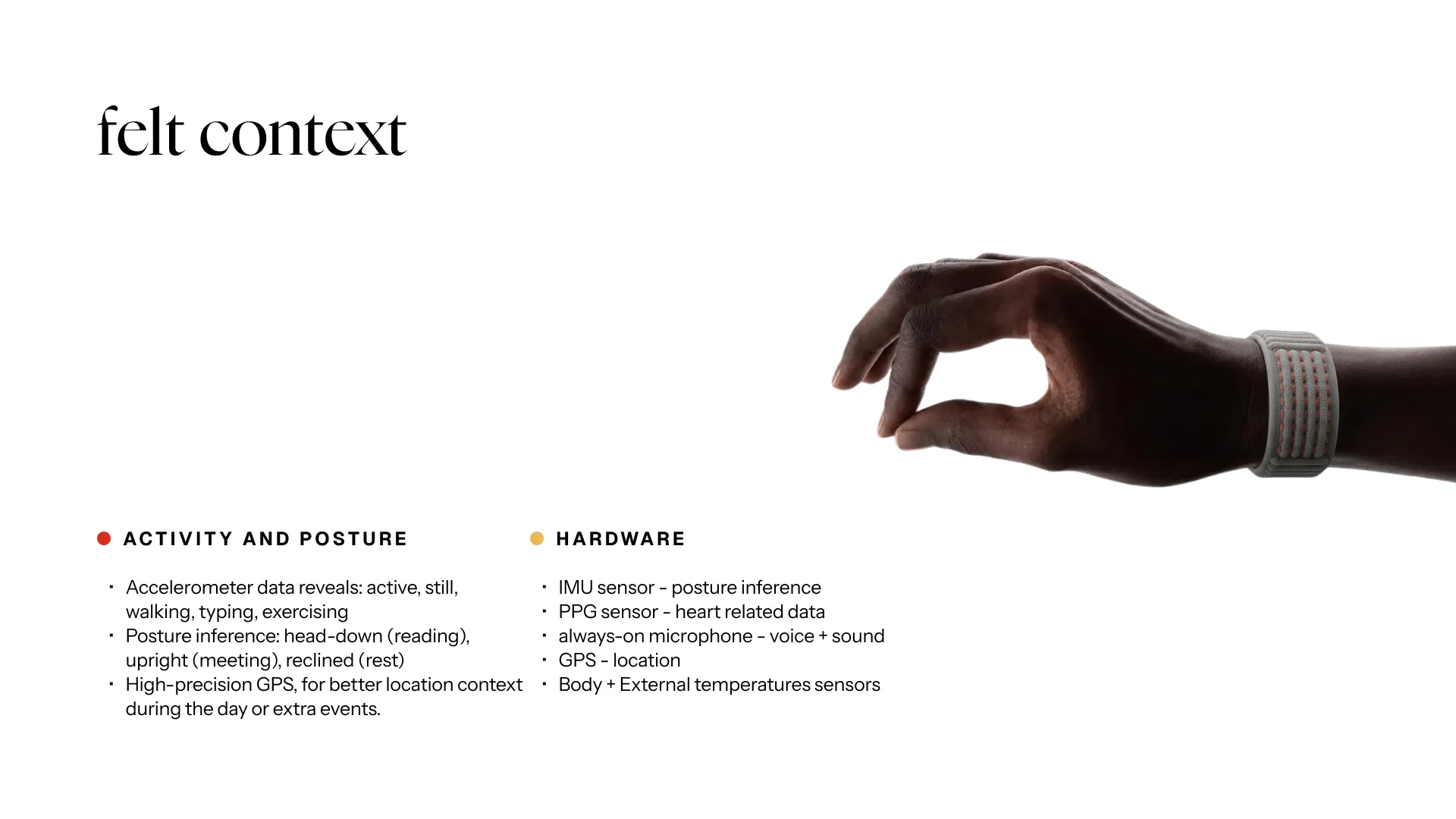
felt is always on. an always-on microphone captures ambient context. an imu sensor reads gesture, activity, and posture — walking, typing, exercising, head-down reading, upright in a meeting — all from wrist motion patterns alone, no gps required. a ppg sensor measures blood volume pulse through the skin, providing heart rate, hrv, and spo₂ estimation accurate to within ±1.5 bpm at rest versus clinical ecg. hrv analysis reads the variation between heartbeats — low hrv signals stress and fatigue, high hrv signals recovery and calm.
the device listens, senses, and tracks, continuously and passively. it always has a live picture of your state, your intent, and your environment.
the gesture language
felt introduces a body-native input vocabulary — ten gestures that replace the need to speak, type, or look:
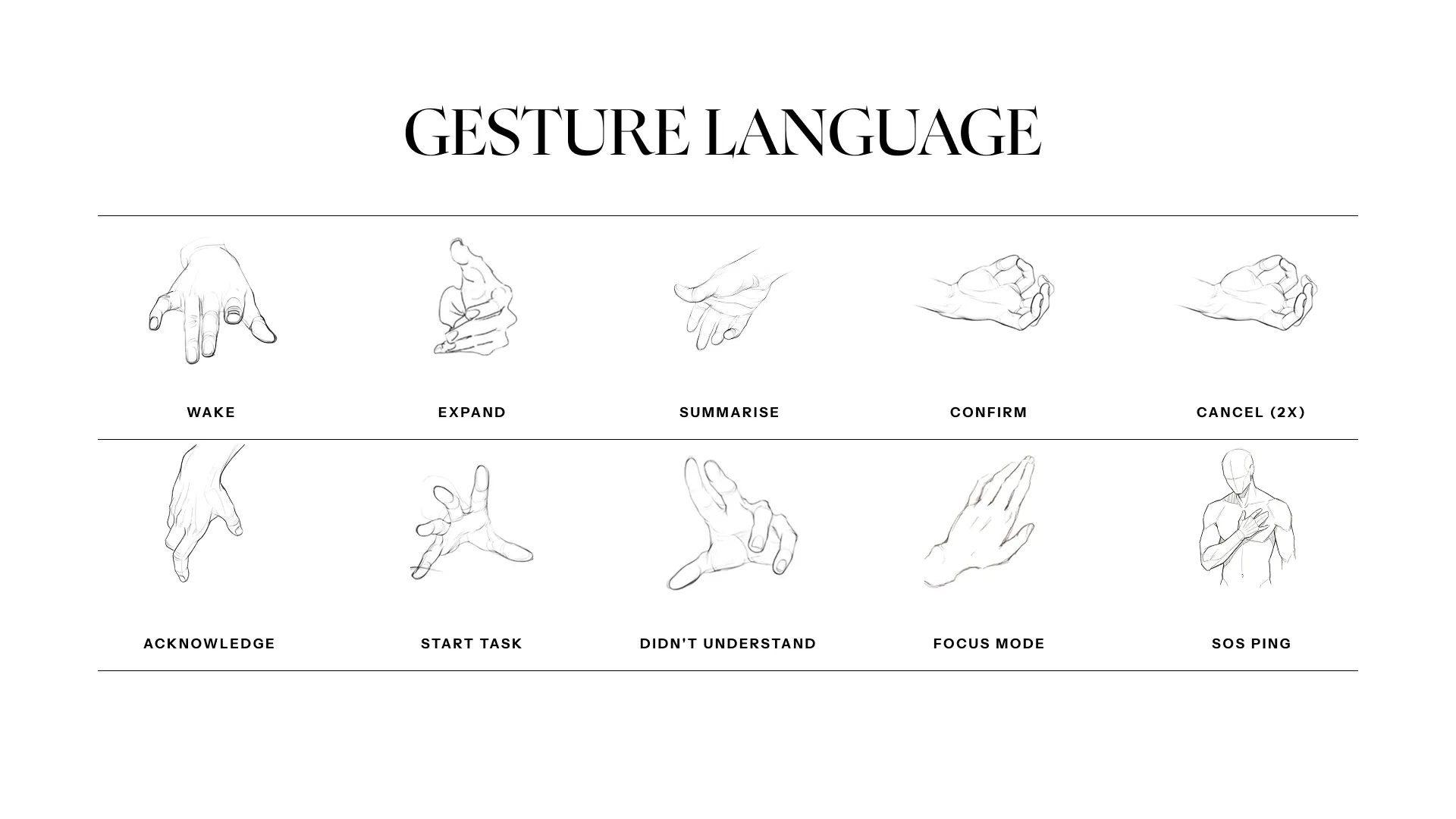
each gesture is a deliberate motion recognized by the imu, mapped to a specific intent. you communicate without opening an app, unlocking a screen, or saying a word.
how felt responds
felt does not just respond with text or voice. it selects the right channel for the right moment.
in its most powerful form, it reaches you directly through the skin.
a haptic alphabet — eight distinct vibration patterns, each with a precise frequency and intensity:
confirm — triple fast · 120hz · 60%
attention — slow double · 80hz · 50%
processing — rising wave · 60hz · 25→60%
alert — single hard · 200hz · 100%
listening — ultra soft · 40hz · 10%
question — burst and silence · 150hz · 70%
dismissed — fade out wave · 80hz · 40→0%
reward — triple ascending · 100→180hz
when the wrist is not the right channel — rich context, long text, voice, visual output — the companion app opens as a high-bandwidth fallback. felt always chooses the right surface.
emotional states
felt does not only communicate information. it induces states.
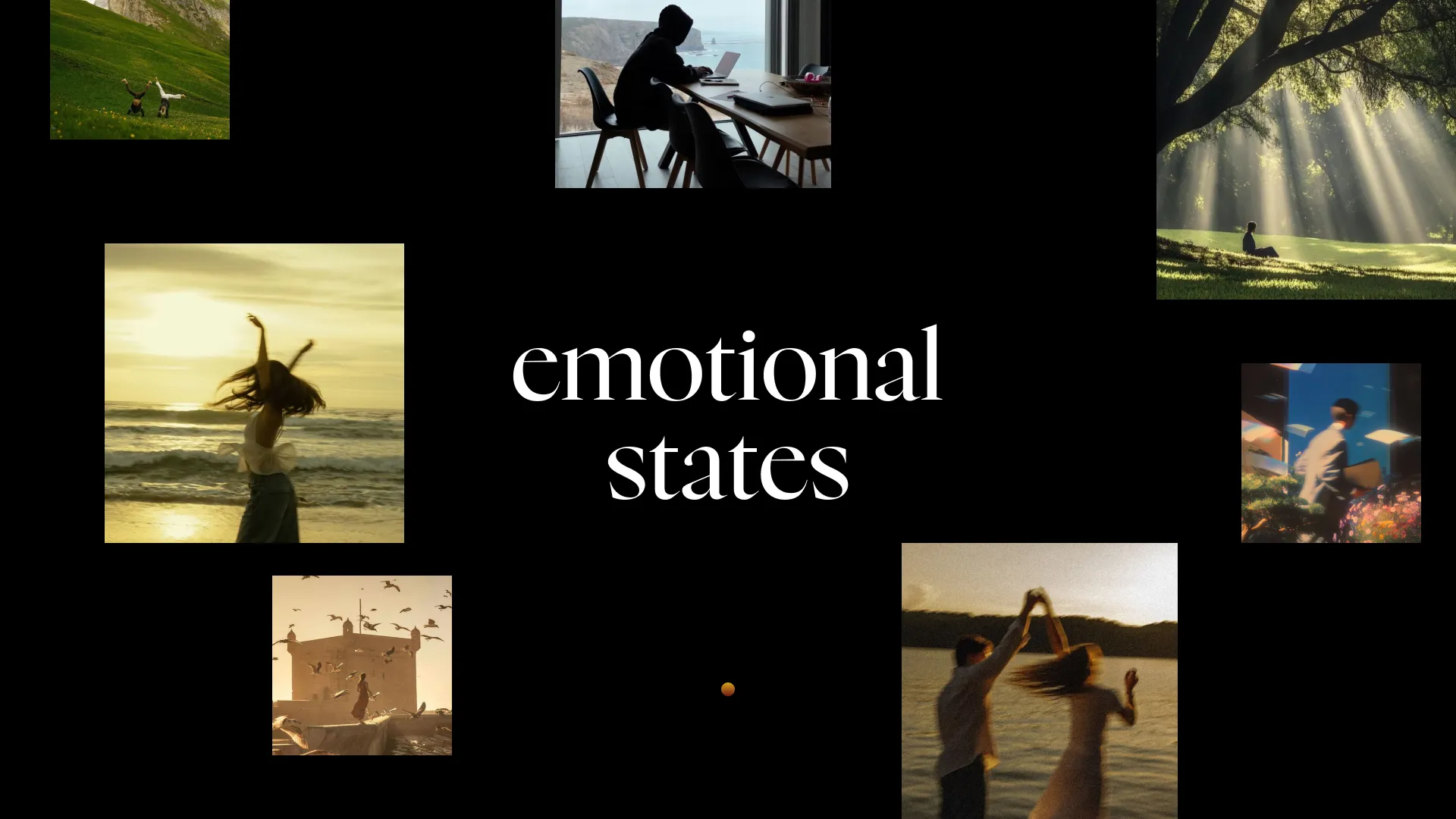
calm grounding — 40hz · 0.15hz rhythm · 30% intensity. slow rhythmic tactile stimulation activates c-tactile afferents, which project directly to the insular cortex, the brain's interoceptive hub. parasympathetic response triggers within 90 seconds.
focus alertness — 80hz · 0.8hz rhythm · 50%. vibration near resting heart rate drives cardiac entrainment — external rhythmic stimuli sync with hrv, increasing cognitive arousal without inducing stress.
reward — 100→180hz ascending triple pulse. the ascending intensity simulates acoustic chills, triggering dopaminergic response via the nucleus accumbens. a learned completion signal the brain already knows how to feel.
this is grounded in peer-reviewed research: konvalinka et al. (2019), mcglone et al. (2014), lehrer et al. (2020), shapiro et al. (1989–2024).
the biofeedback system
most wearables deliver output and stop. felt completes the loop.
the ai observes the effect of its haptic output on your physiology and adapts in real time. read hrv and state → infer nervous condition → select haptic pattern → deliver → read again.
a feedback loop that has never existed in a consumer wearable.
the object
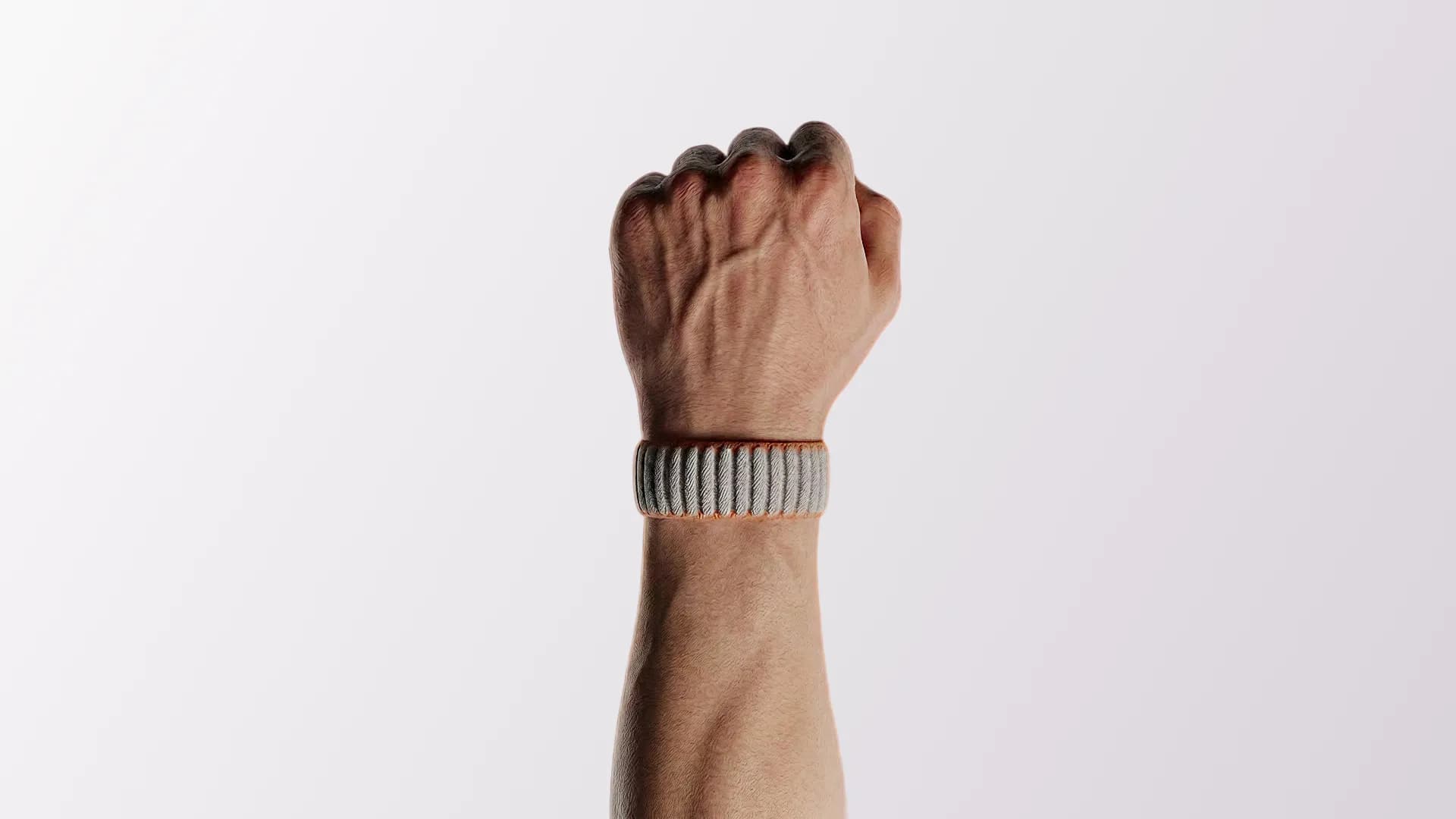
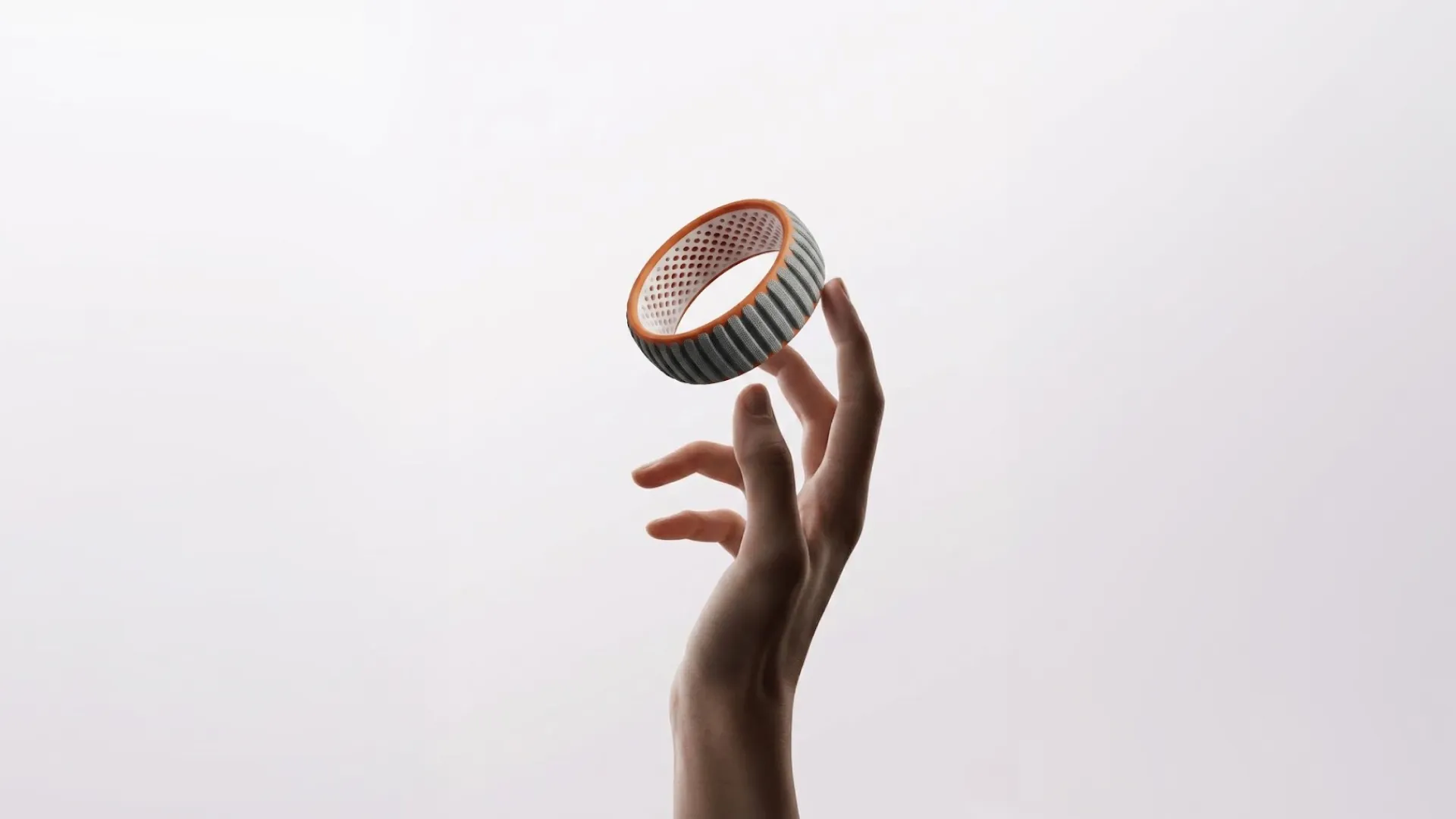
60mm wide. 20mm tall. a ribbed outer shell — smooth pillow forms running the circumference, each one a transducer contact point against the skin. an inner mesh layer in tension. an orange accent ring at the base.
the straps are interchangeable — different materials, colors, and dimensions, each one changing the way felt sits on the body and the way it feels against the skin.
the labyrinth
felt is also an installation.

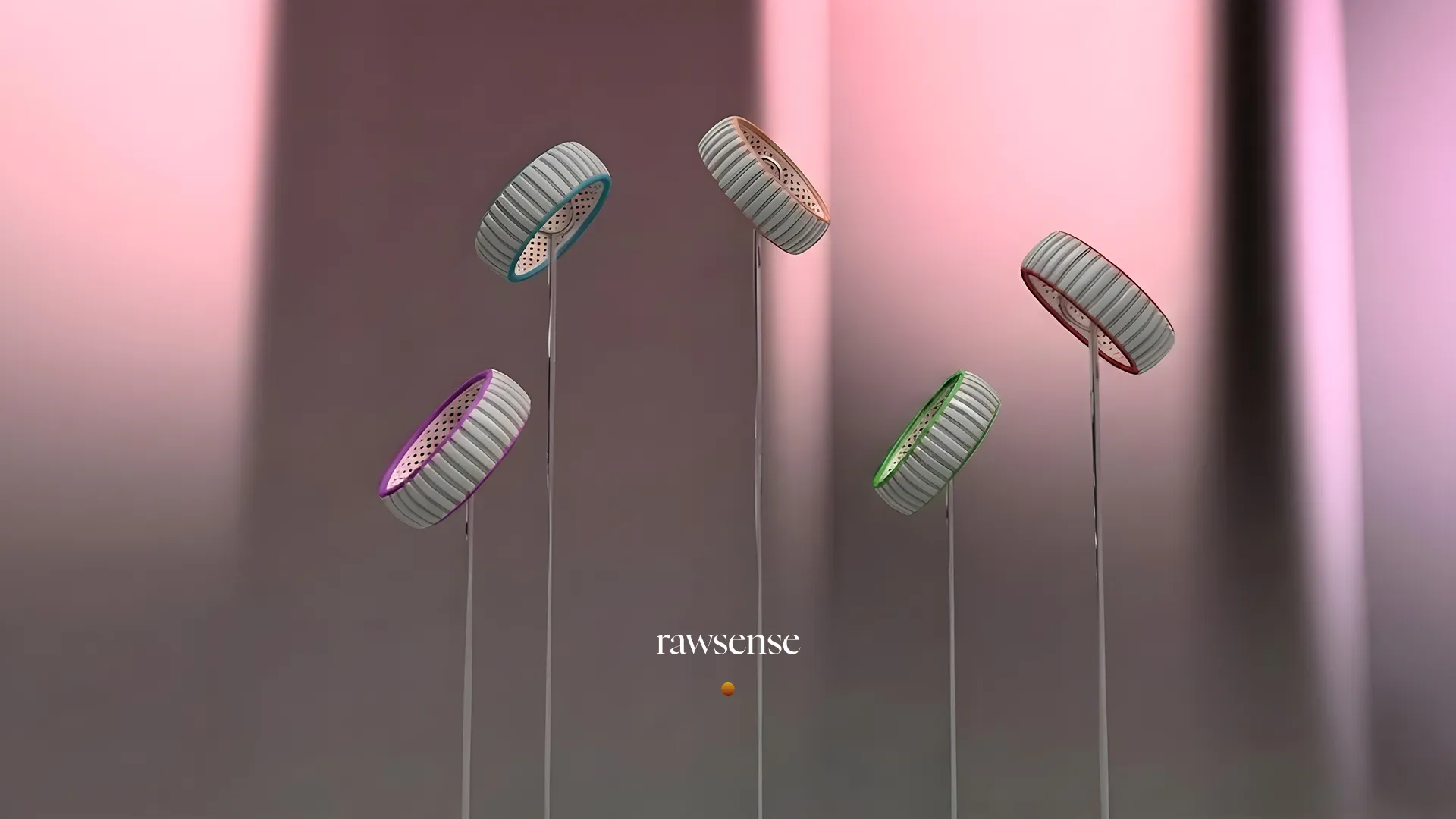
you enter the labyrinth wearing felt on your wrist. no map. no instructions. the device guides you — through haptic patterns, through the corridors, through the turns — until you reach the center.
at the center, an installation: every variation of the strap, every color, every material. the full range of what felt can be, revealed only to those who let it lead them there.
credits
luca ferrario — concept, interaction design, hardware design
prof. andrea gallina — course supervisor